Gold hallmarking in India has moved from optional to mandatory, and it is one of the most important consumer protection measures in the jewellery industry. Yet many buyers still do not fully understand what the marks on their gold mean, how to verify them, or why they matter. This guide will change that.
Why Hallmarking Became Mandatory
For decades, gold purity in India was a matter of trust between buyer and jeweller. While many jewellers operated with integrity, the system also allowed for adulteration - selling gold of lower purity than claimed. A piece labelled "22KT" might contain only 18KT or even 14KT worth of gold, and the average buyer had no practical way to verify.
The Bureau of Indian Standards (BIS) introduced mandatory hallmarking to solve this problem. Since June 2021, it has been compulsory for jewellers to hallmark gold jewellery sold in India. This means every piece must be independently tested and stamped before it reaches the customer.
The Four Marks on Every Hallmarked Piece
When you examine a hallmarked piece of gold jewellery, you should find four distinct marks:
BIS Standard Mark - A triangular logo that confirms the piece has been tested by a BIS-recognised assaying and hallmarking centre. This is your assurance of independent verification.
Purity/Fineness Grade - A number indicating the gold content. The most common grades are:
916 = 22 karat (91.6% pure gold)
750 = 18 karat (75% pure gold)
585 = 14 karat (58.5% pure gold)
375 = 9 karat (37.5% pure gold)
Jeweller's Identification Mark - A unique code assigned to the jeweller or manufacturer. This establishes traceability - if there is ever a dispute about purity, the piece can be traced back to its source.
HUID (Hallmark Unique Identification Number) - A six-digit alphanumeric code that is the most important innovation in the system. Every single piece of hallmarked jewellery receives a unique HUID, making it individually traceable.
How to Verify HUID Online
The HUID system allows any buyer to verify their jewellery's hallmark status:
Visit the BIS Care app (available on Android and iOS) or the BIS website. Enter the six-digit HUID code engraved on your piece. The system will display the piece's purity, the jeweller's details, and the assaying centre that tested it.
This verification takes less than a minute and gives you complete confidence in your purchase. If a HUID does not return any results, or if the details do not match what you were told, you have grounds for concern.
22KT vs 18KT vs 14KT Hallmarking
Different karats serve different purposes, and hallmarking ensures you get what you pay for:
22KT (916) - The standard for traditional Indian jewellery. Rich yellow colour, suitable for heritage and bridal pieces. This is what most Indian families buy for weddings and festivals.
18KT (750) - Harder and more durable. Preferred for diamond-set jewellery and daily-wear pieces. The lower gold content means a lower price per gram, but also a paler colour.
14KT (585) - Very durable, increasingly popular for lightweight, everyday jewellery. Less common in traditional designs but growing in the contemporary market.
Exemptions: Why Some Pieces Are Not Hallmarked
Certain categories of gold articles are exempt from mandatory hallmarking:
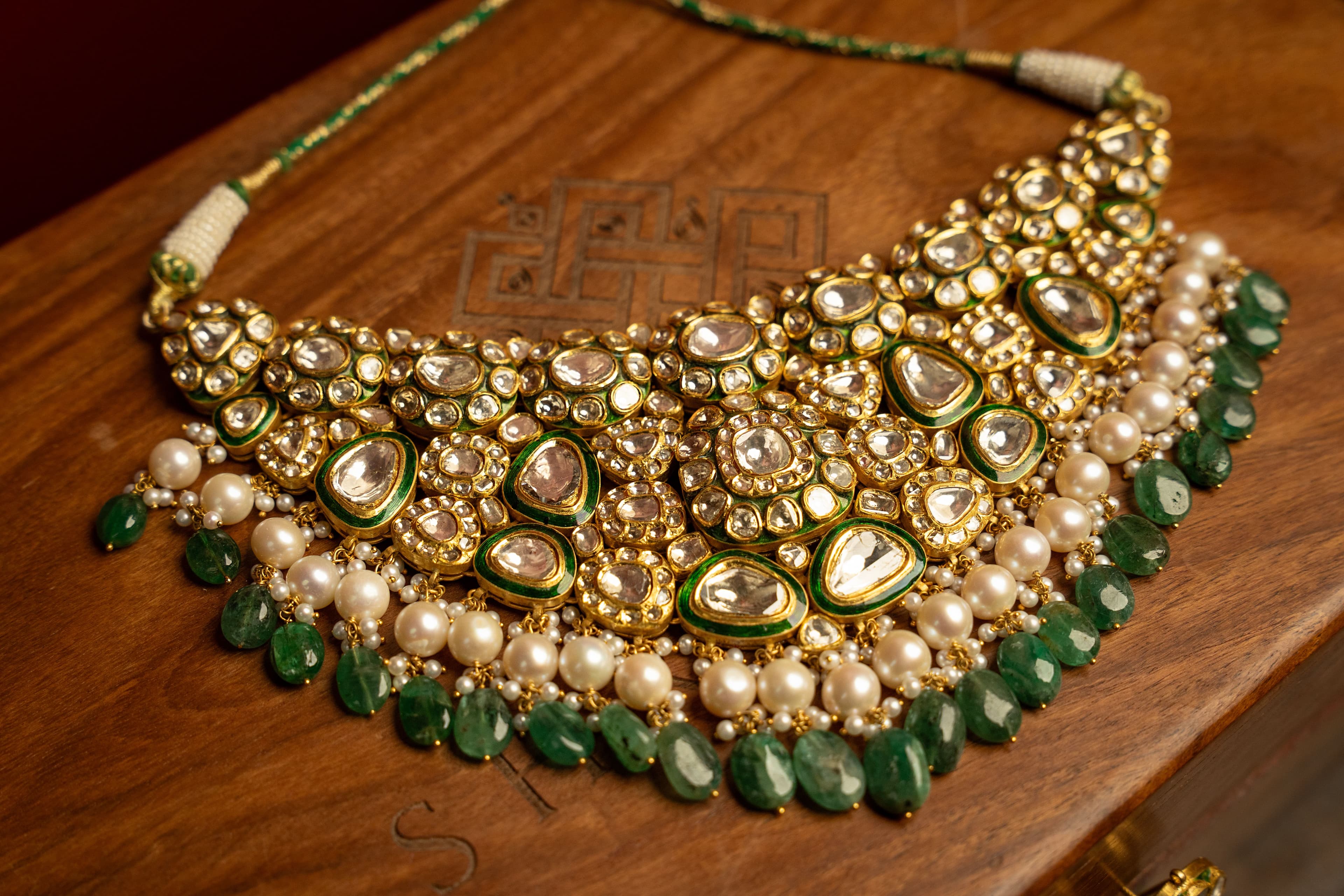
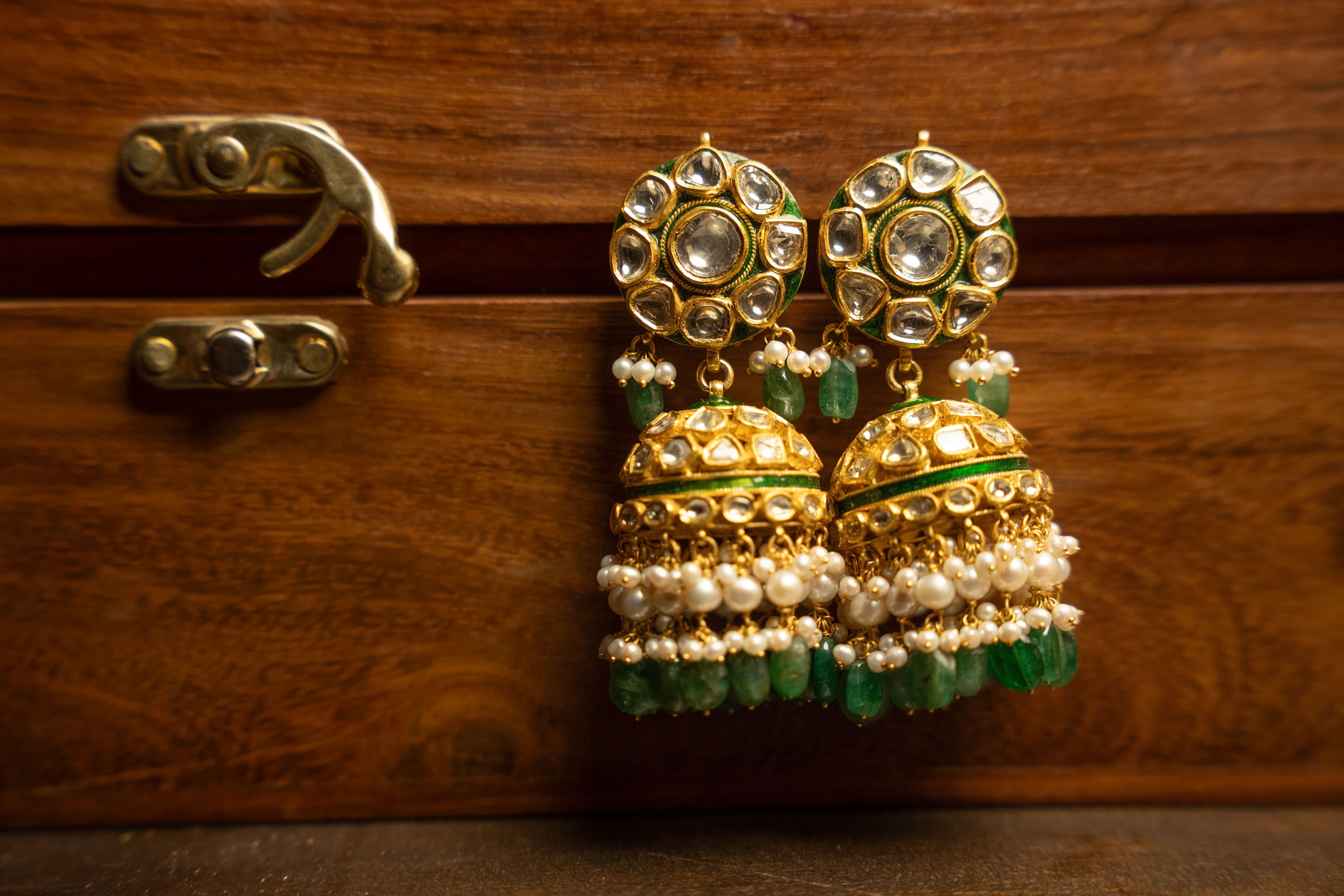
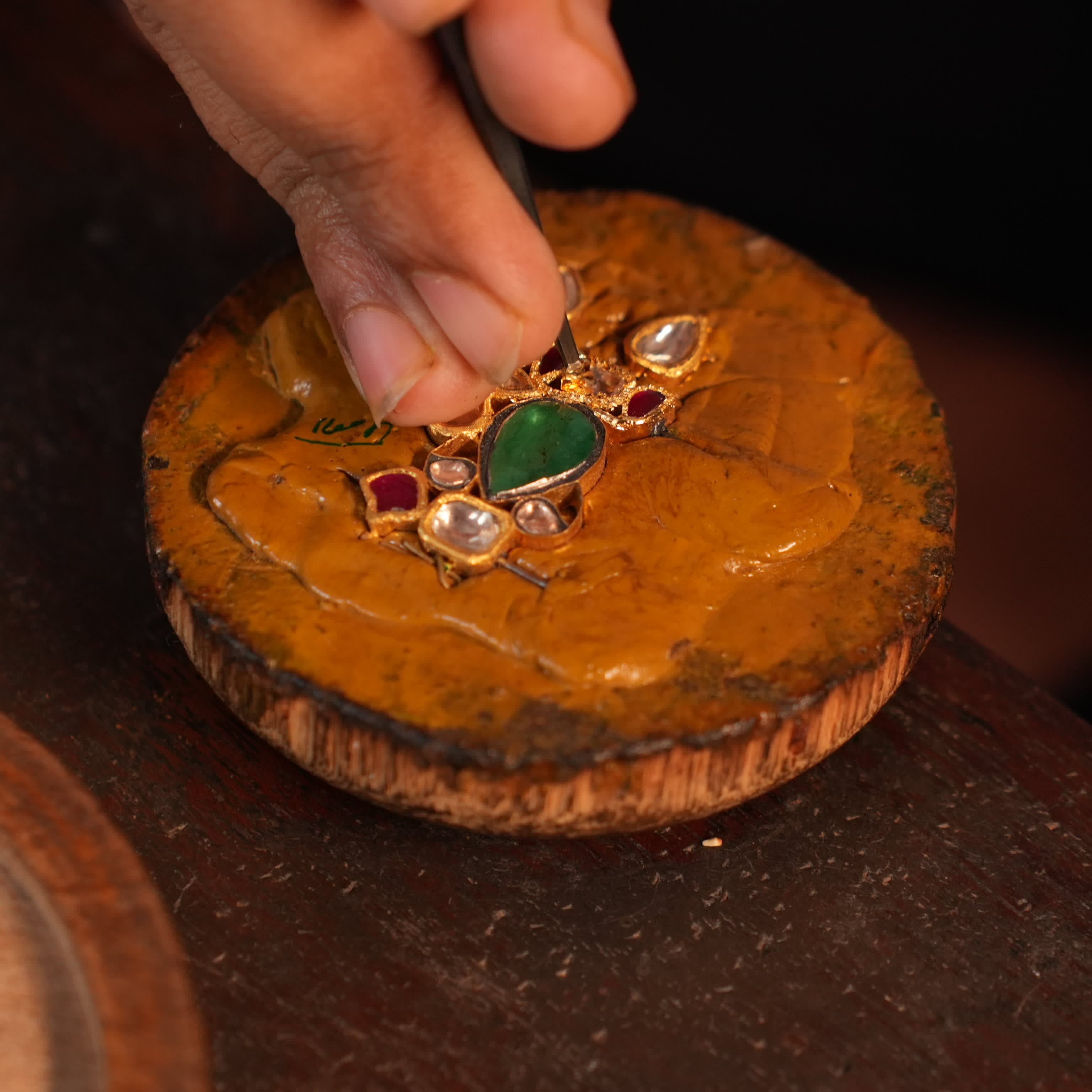
Jewellery for export is exempt from domestic hallmarking requirements. Pieces below 2 grams in weight are exempt due to the practical difficulty of stamping very small items. Kundan, polki, and jadau jewellery is currently exempt because the traditional construction methods - which involve lac, meenakari, and stone-setting techniques that use heat - can be compromised by the assaying process, which requires scraping or cutting the gold.
This exemption for traditional jewellery means that when buying jadau or polki pieces, your trust in the jeweller remains the primary assurance of gold quality. This makes it even more important to buy from established, reputable jewellers who stand behind their work.
Buying with Confidence
At SHRIVATSA, we hallmark all eligible pieces and provide purity certificates for our traditional jadau work. We welcome questions about gold purity, and we encourage every customer to verify their HUID. Transparency is not a concession - it is the foundation of trust, and trust is the only material more valuable than gold.